
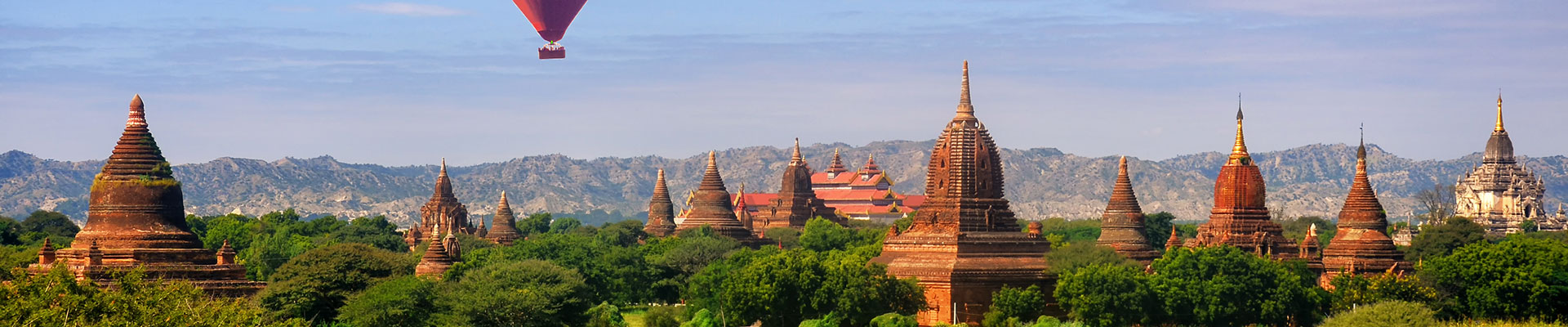
Mandalay
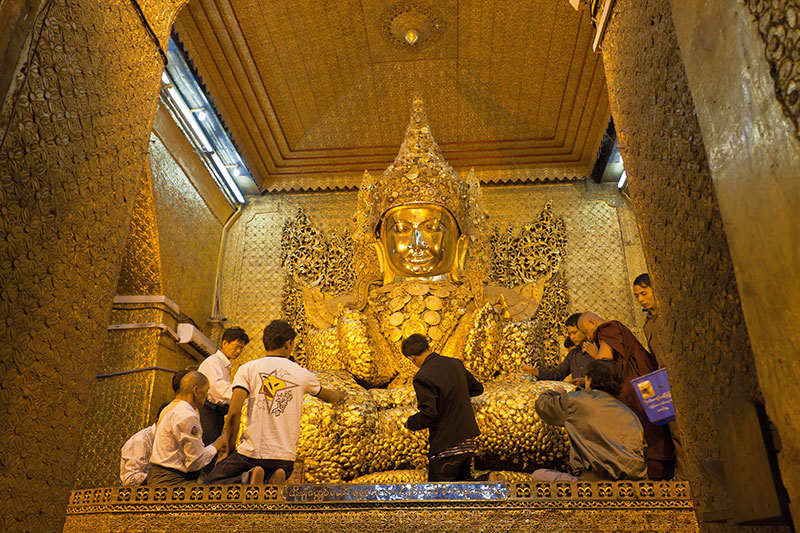
Mandalay, Myanmar's Last Royal Capital
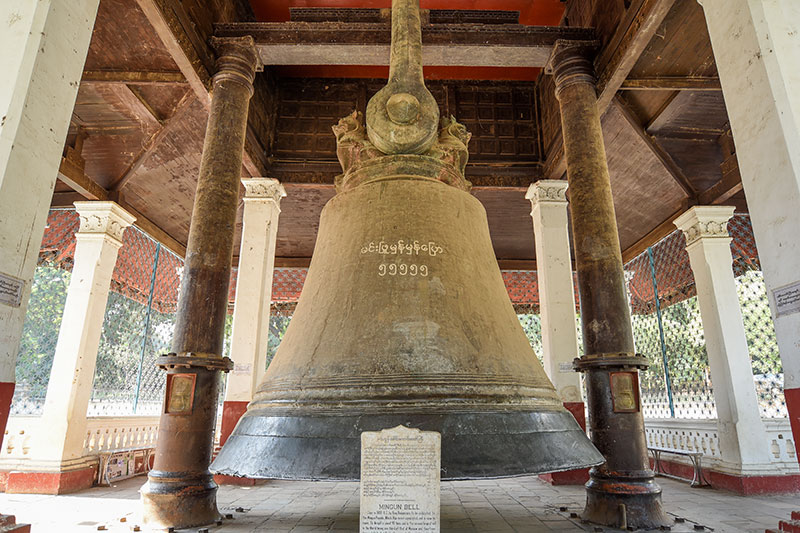
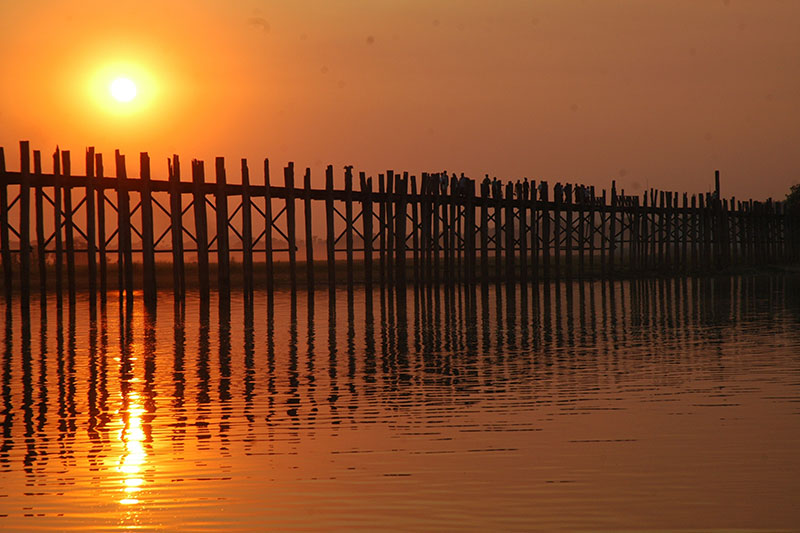
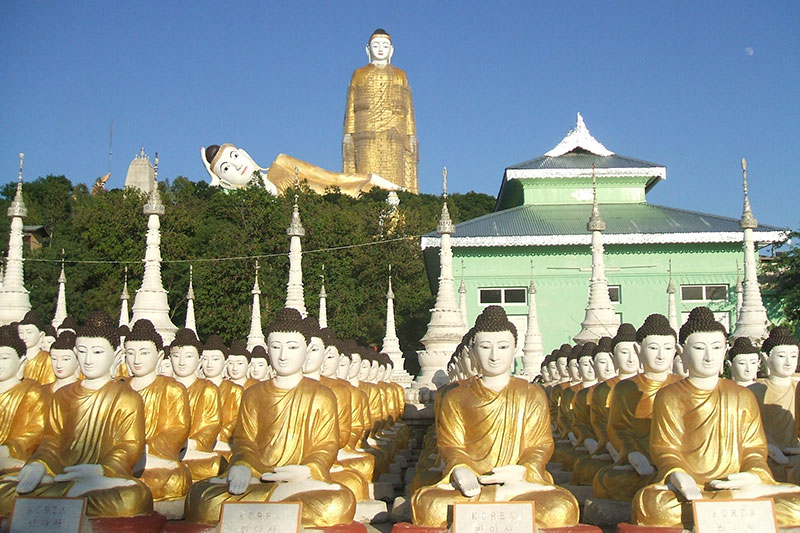
Mandalay, second largest city in myanmar, was the capital of the country’s last dynasty. The massive royal palace still stands quietly in the heart of this city, designed to resemble a monumental cityscape. The beautiful and elegant Mandalay Hill is a Buddhist sanctuary and the sunset viewed from its summit is truly exceptional. Kuthoadaw Pagoda is the World’s Largest Book” 729 marble slabs inscribed with Buddhist scriptures, leaving a deep impression on visitors. Nearby Mandalay is Sagaing, a revered center for Buddhist meditation and study; the The world’s longest teak wood bridge, stretching approximately 1.2 kilometers across the lake, a popular strolling destination; Inwa (Ava), former capital remarkable for having hosted the royal palace four times throughout history; and Mingun, accessible by boat along the Irrawaddy River and Mingun Bell, renowned as the world’s largest intact ringing bell. Pyin Oo Lwin, a summer resort famous for its palace caves, and Monywa, a truly mystical and awe-inspiring world of over 580,000 Buddha images.
Kyaukse
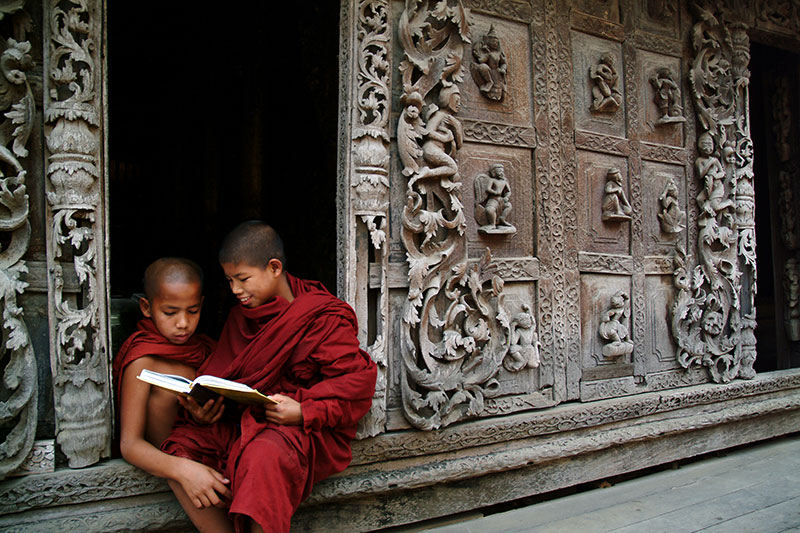
Located an hour’s drive south of Mandalay, Kyaukse is famous for its Elephant Dance Festival, held annually in October. Four standing Buddha images overlook the town from atop a mountain.
Sagaing
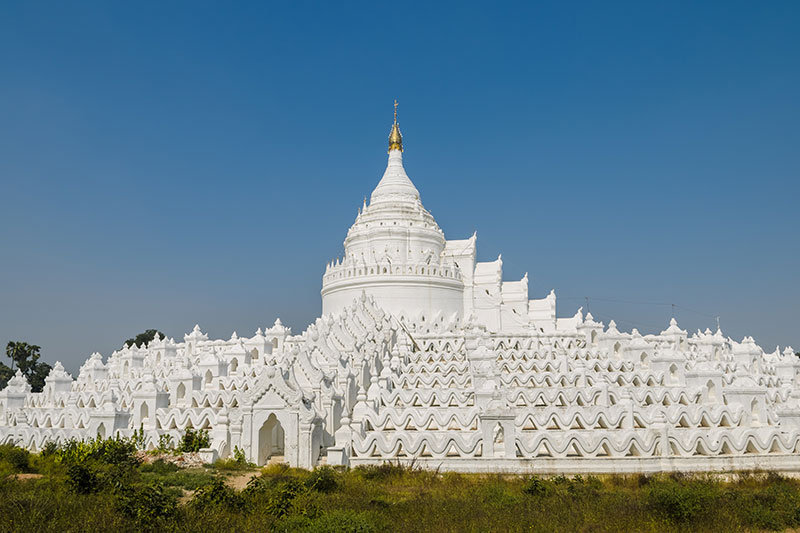
Located 20 kilometers west of Mandalay, Sagaing was the site of two Myanmar dynasties, in the 14th and 18th centuries. It is famous as a major center for Buddhist meditation it attracts monks from all accross the nations, and Sagaing Hill is known as a place of religious practice and devotion.
Mingun
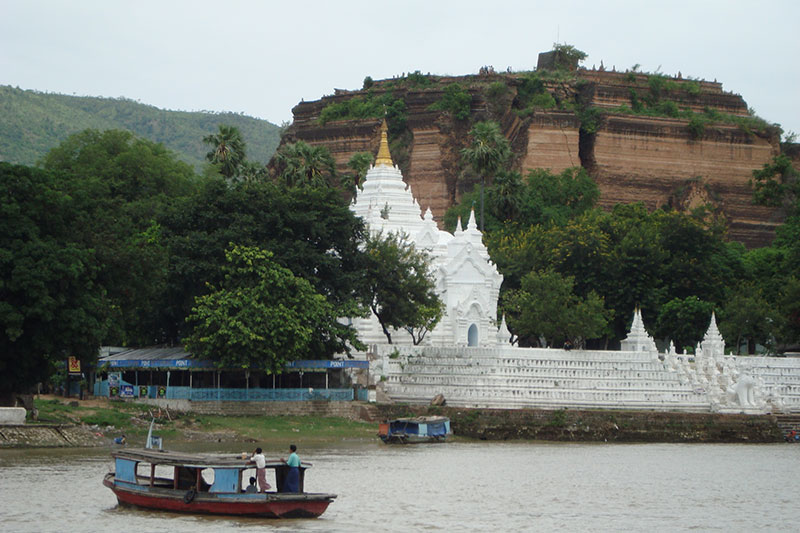
About an hour’s boat ride up the river from Mandalay will take you to Mingun. It’s famous for the Unfinished Pagoda of King Bodawpaya and the Mingun Bell (the world’s largest intact ringing bell).
Inwa (former known as Ava)
Inwa, a city near Mandalay, is located on the east bank of the Irrawaddy River, Myanmar’s lifeline. Its strategic important location, Inwa was established as the royal capital four separate times between the 14th and 19th centuries, a distinction rare among the world’s ancient cities.
Though a former capital, parts of the old city walls remain today. The major tourist highlights include the beautiful wooden Bagaya Monastery and the brick-built Maha Aungmye Bonzan Monastery (Mee Nu Oak-Kyaung).
Though a former capital, parts of the old city walls remain today. The major tourist highlights include the beautiful wooden Bagaya Monastery and the brick-built Maha Aungmye Bonzan Monastery (Mee Nu Oak-Kyaung).
Amarapura
Located 12 kilometers south of Mandalay, Amarapura was the capital of the Konbaung Kingdom. It is famous for its 1.2-kilometer-long teak bridge known as U-Bein Bridge, known as the world’s oldest and longest teak bridge.
Pyin Oo Lwin(former known as Maymyo)
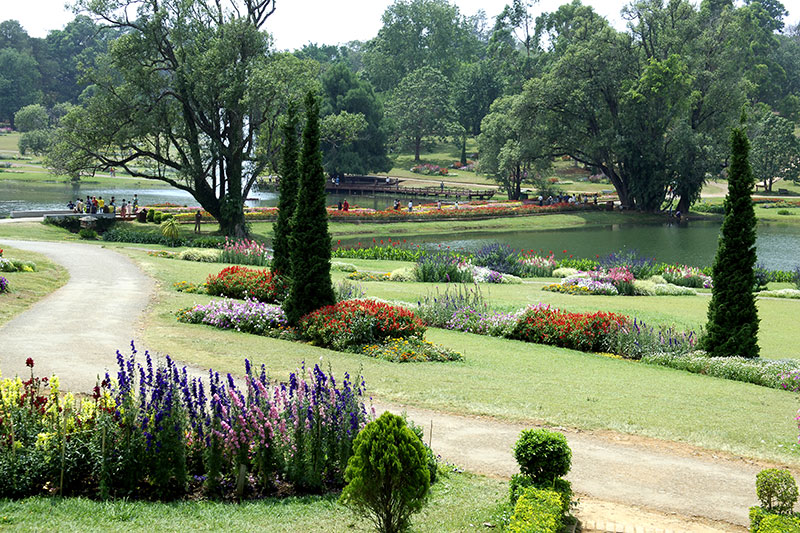
Located 1,100 meters above sea level, Pyin Oo Lwin developed as a British colonial summer resort in the 1900s. A horse carriage ride is sure to be a memorable experience.
Monywa
Located 137 kilometers from Mandalay on the east bank of the Chindwin River, Monywa is the second largest city in Upper Myanmar. The area boasts significant sites such as the Po Win Taung cave temples, the magnificent reclining Buddha of Shwetharlyaung, and the Thanboddhay Pagoda. Monywa is particularly famous for the Bodhitahtaung pagoda is particularly renowned for its unique and stunning feature: one thousand Buddha images gracefully positioned among one thousand sacred Bodhi trees.

Contact Us
Address
Tower(1) Room (103), 7 Mile Condo, Parami Road,Mayangone Township, Yangon, Myanmar.
diamonddominiontours@gmail.com, ddt.sales17@outlook.com,
ddt.sales17@gmail.com
Phone
(+95) 428936202,
(+95) 428936203,
(+95) 450553165
(+95) 428936203,
(+95) 450553165
Follow





We Accept
